

Logistics Marketers: Why You Shouldn’t Fall Behind on the Basics
A lot of logistics marketing departments don’t schedule the time to focus on the core responsibilities of marketing because they’re preparing for the next big project or trade show. It’s constant firefighting. This means the basic stuff, like maintaining a

Revolutionizing Logistics Marketing: Embracing Innovation and Targeted Strategies
In the dynamic world of professional growth, one principle remains constant: the need for continuous improvement. For logistics marketers, this principle is especially pertinent, as

Leveraging Content Marketing for Your Logistics Business: A Guide to Attracting and Nurturing Quality Leads
In today’s competitive business landscape, overlooking the potential of content marketing is a missed opportunity for any enterprise. As a logistics service provider, staying ahead

Enhancing Sales Success: The Vital Role of Marketing in the Logistics Industry
In today’s fast-evolving business landscape, the collaboration between sales and marketing has become indispensable for successful deal closures, especially within the logistics industry. With the
Revolutionizing Logistics Marketing: Embracing Innovation and Targeted Strategies
In the dynamic world of professional growth, one principle remains constant: the need for continuous improvement. For logistics marketers, this principle is especially pertinent, as
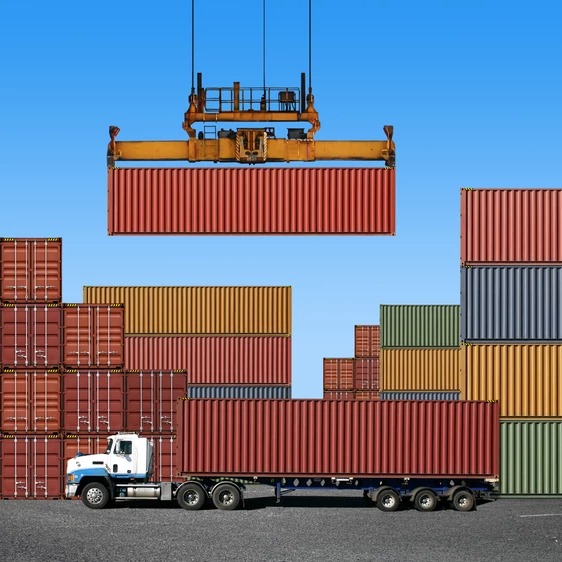
Optimizing Marketing and Sales Alignment: Key Strategies for Logistics Companies
Achieving genuine alignment between the marketing and sales departments within a logistics company remains a rare occurrence. Often, the relationship between these two critical functions

Reshape Your Value Proposition to Fit Your Prospect’s Needs and Keep Your Customers Happy
Logistics marketing is often too focused on what a company is selling. The truth is that customers don’t really care about what you’re selling —
Logistics Marketers: Why You Shouldn’t Fall Behind on the Basics
A lot of logistics marketing departments don’t schedule the time to focus on the core responsibilities of marketing because they’re preparing for the next big
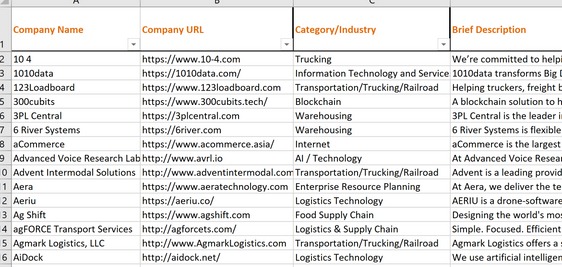
Supply Chain Logistics Startups and Technology Companies
About two weeks back, Brian Laung Aoaeh put out a request on LinkedIn for names of supply chain logistics startups and I promised to present

New Webinar from Tutorship – Freight Fowarders: How to Architect a Roadmap to Automation and Improve
#SupplyChainTechnology #FreightForwarding

Logistics Companies – Stop Trying to Figure Out Big Data and Do This Instead
One of the biggest buzzwords in all of business is “Big Data”. Not surprisingly, both shippers and logistics services providers are scrambling to keep up
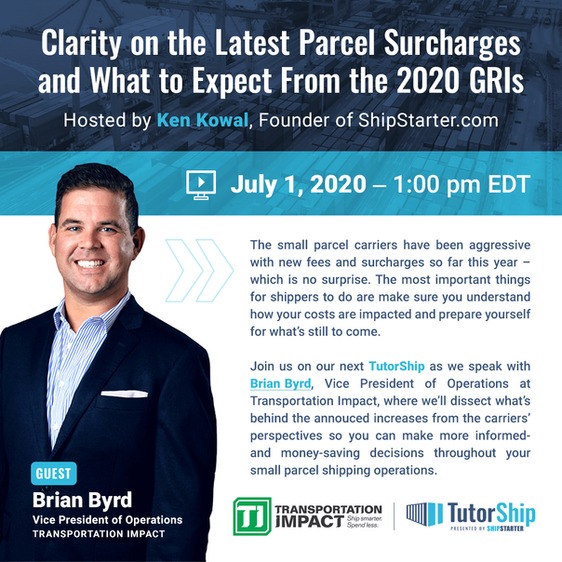
TutorShip Webinar: Clarity on the Latest Parcel Surcharges and What to Expect From the 2020 GRIs
#smallparcel #logistics #fedex #Startups
Leveraging Content Marketing for Your Logistics Business: A Guide to Attracting and Nurturing Quality Leads
In today’s competitive business landscape, overlooking the potential of content marketing is a missed opportunity for any enterprise. As a logistics service provider, staying ahead

Logistics Marketers: How to Use Content for Cold Prospecting and Engaging Prospects
We recently released a guide, titled the Sales Content Funnel, for logistics companies demonstrating how to attract, convert, and retain customers by effectively utilizing logistics



How Logistics Companies Can Get Better Use Out of Their CRM
In order to grow as a logistics company, you need to keep your customers happy. Otherwise, you risk losing critical business, especially with how competitive
Supply Chain Logistics Startups and Technology Companies
About two weeks back, Brian Laung Aoaeh put out a request on LinkedIn for names of supply chain logistics startups and I promised to present
New Webinar from Tutorship – Freight Fowarders: How to Architect a Roadmap to Automation and Improve
#SupplyChainTechnology #FreightForwarding
Logistics Companies – Stop Trying to Figure Out Big Data and Do This Instead
One of the biggest buzzwords in all of business is “Big Data”. Not surprisingly, both shippers and logistics services providers are scrambling to keep up